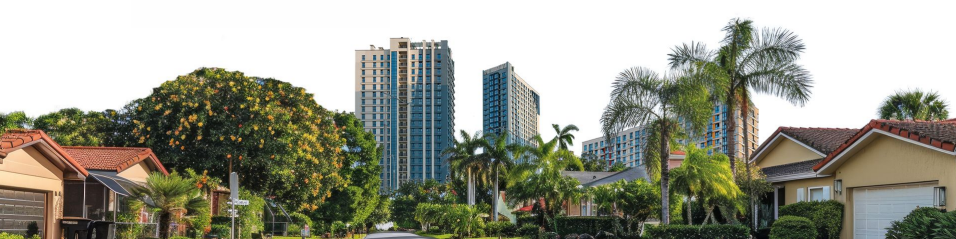
Condo transactions can sometimes feel complicated, but they don’t have to be…
With over 40 years experience in Georgia and South Florida, the Supreme Condo Service has the expertise to deliver the industry’s BEST condo experience - on time, every time.
See below to find out why you should trust Supreme Condo Service with your next condo transaction and get started on your homebuyer journey today!

Why Start With Supreme on Condos?
At Supreme, we believe smart decisions begin with the #BEST information.
- We request the correct documents upfront to avoid delays and surprises.
- We guide buyers through risk management by reviewing financials, insurance, and legal status
- We empower agents and buyers with the tools to make well-informed decisions in the condo market.
We have the dedicated expertise to work through the most challenging circumstances to get you across the finish line on time!

New Condo Guidelines
Download a summary of the new and recent condo guidelines from Fannie Mae and Freddie Mac
Effective 8/3/2026 & 1/4/2027
Recently Approved Condo Projects
This list reflects condo projects approved & closed by Supreme Lending Southeast. Every condo transaction is unique and must be approved on an individual basis. Please contact your Supreme Lending loan officer for more information.

Georgia

Florida
Frequently Asked Questions
Understanding Property Types & Condo Ownership
What is a condo?
Condos are a community form of ownership where you own a “unit” within a larger building or complex shared with other condo owners. You and your neighbors may be in close proximity, possibly sharing walls and amenities.
How is a condo different from a single-family home?
Unlike single-family homes, condos share common elements, amenities, and often walls with other units. Condo owners typically own only the interior of their unit, while exterior elements and common areas are maintained collectively by the HOA.
What do you actually own when you buy a condo?
You own the interior of your unit, and you and the other condo owners and the other condo unit owners jointly own the exterior property, recreational amenities, and other common areas in the building or community.
What is the difference between a condo and a townhome?
A townhome is a design style which could be a condo or a PUD, it’s all based on the legal description and how that community wrote their declarations.
Condo Inspections & Maintenance
How does the condo inspection process work?
A standard condo inspection will only cover the interior of the unit. Buyers should also investigate:
- Recent building-wide structural, electrical, or plumbing inspections
- Whether a reserve study was completed within the last 3 years
- HOA meeting minutes for red flags about upcoming repairs or conflicts
Who handles maintenance and inspections in condo communities?
Typically, the HOA manages exterior and common area maintenance. Interior repairs are the owner’s responsibility, unless otherwise outlined in the bylaws.
Preparing to Buy: Buyer & Agent Responsibilities
Are condo purchases more complicated than buying a home?
They can be but, with proper preparation and the right documents gathered upfront, the process doesn’t have to be difficult. If you have the right experts in play, it makes it less complicated for a buyer.
What should agents and buyers ask before writing a condo contract?
- Are there any structural issues ? What are your repairs that are happening right now?
- Are there any pending assessments or major repairs planned?
- How are they handling repairs within the community?
- Make sure we put in a due diligence period in the contract to allow time to explore all questions about the condo – i.e. how are they handling issues in the community?
- Review HOA meeting minutes to look for major issues or trends
How can buyer’s and listing agents help in a condo deal?
- Set realistic expectations about the financing and approval process.
- Collect HOA documents upfront (budget, financials, meeting minutes, insurance).
Financing & Risk Factors to Know Before Submitting an Offer
What should buyers and agents know financially before submitting an offer?
- Understand that you are responsible for the UNIT and a PIECE of everything else in the community? If repairs are needed throughout the community, there could be extra expenses that you share with the other condo owners
- Understand the difference between Condo Fees (general upkeep) and HOA Fees (can include shared utilities, amenities, and services).
- Understand the HOA’s financials, including reserve funds and budget stability.
What are reserve funds?
A fund set aside for replacement of common property in a condo project. The amount of the fund is typically determined by periodic reserve studies conducted by experienced professional reserve analysts.
What is a special assessment?
A one-time fee or additional condo dues that condo owners pay to cover unexpected expenses that are not covered by regular maintenance fees. These fees are in addition to the normal, recurring common element fees/expenses.
What insurance is required for condo buyers?
- Buyers typically need an HO6 insurance policy, which covers the interior of the unit.
- The condo complex should carry a Master Insurance Policy, including:
- Property Insurance
- Liability Insurance
- Crime/Fidelity Coverage
- Flood Insurance, if applicable
What does warrantable vs. non-warrantable mean?
- Warrantable condos meet Fannie Mae or Freddie Mac guidelines and are easier to finance.
- Non-warrantable condos do not currently meet Fannie Mae or Freddie Mac guidelines and may require additional documentation to finance.
What are the financial risks of owning a condo?
- You now have to think about others and all shared responsibilities within the condo project.
- Exposure to special assessments
- Rising HOA fees
What’s the difference between a limited and full review for condo financing?
Limited Review: A less invasive review of the project. Fewer documents are needed. Typical questions include:
- Is the HOA involved in any litigation?
- Does the HOA have a Master Insurance policy (Property, Liability, Crime/Fidelity)?
Full Review: A more in-depth review of the financing and project to ensure the buyer can comfortably own the property.
- HOA litigation status
- Number of units 60+ days delinquent
- Approved current budget
- Balance sheet within the last 90 days
- Master Insurance documentation
What role does the lender play in condo project approval?
Loan financing terms will require your lender to evaluate several factors to assess the financial stability and physical condition of the condo project, community, or building you are considering.
Legal & Regulatory Considerations
Are there lawsuits or legal issues affecting the condo?
Buyers should verify whether the HOA is involved in any litigation, which could affect financing and future expenses.
Are structural inspections required by local or state law?
This varies by location. Some states, including Florida, have passed laws requiring regular structural inspections and reserve studies following incidents in aging buildings.
Is there a “blacklist” for condo projects, and how does that affect buyers?
No, there is not a “blacklist” for condo projects . Our dedicated Condo Team is here to navigate the most difficult condominium projects.
No questions match your search.
Contact Your Supreme Lending Loan Officer Today